

Wholesale Sheepskin Supplier NZ Trade Buyers Trust

New Zealand Wholesale Sheepskin Supplier
Looking for a wholesale sheepskin supplier in New Zealand? Bowron Sheepskins is a Christchurch-based sheepskin manufacturer and wholesale supplier, providing premium New Zealand sheepskins, sheepskin rugs and finished sheepskin products to retailers and businesses throughout New Zealand and internationally.
Whether you’re a retailer, manufacturer, interior designer or specialty store, buy wholesale sheepskins directly from Bowron.
Experience Matters
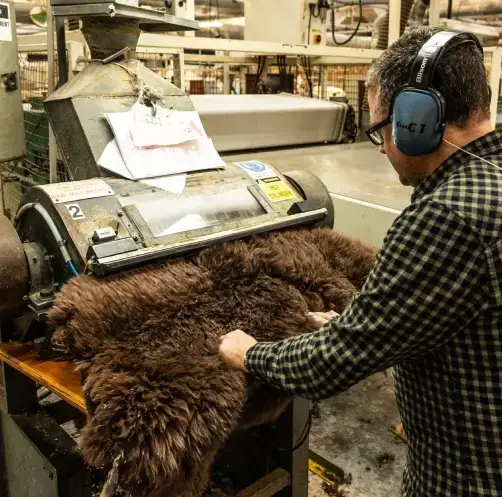
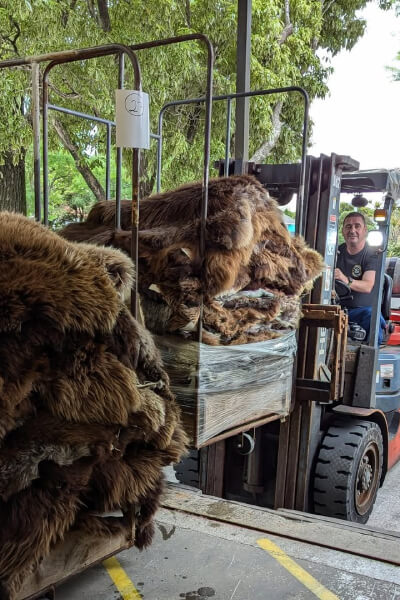
A credible local supplier should be able to explain where its skins come from, how they are processed and what a buyer can expect from each grade. Trust the experience of Bowron Sheepskins dedicated staff to help build and grow your retail business.
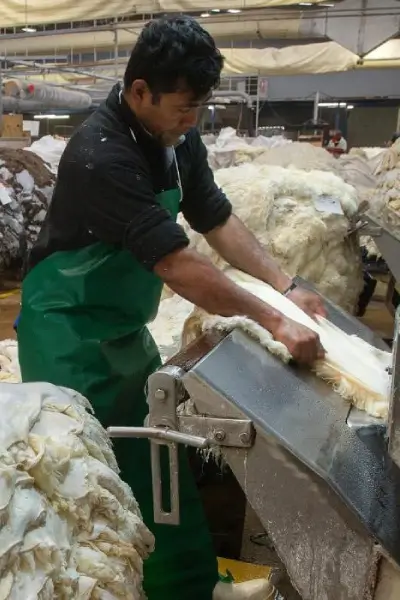
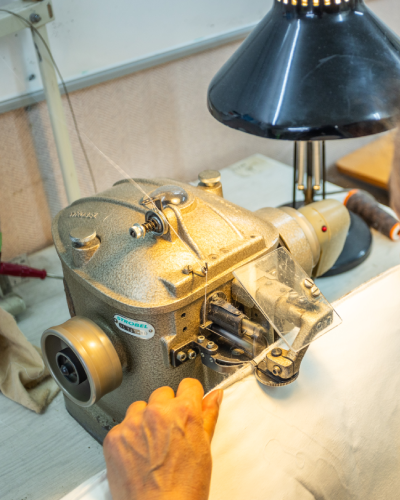
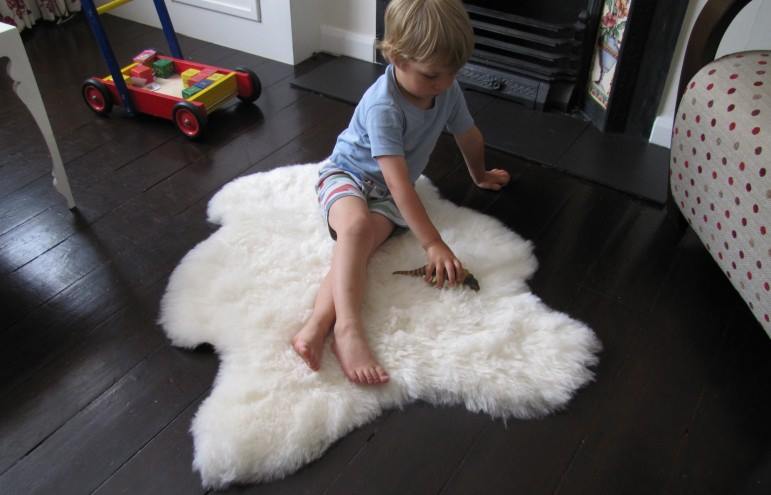
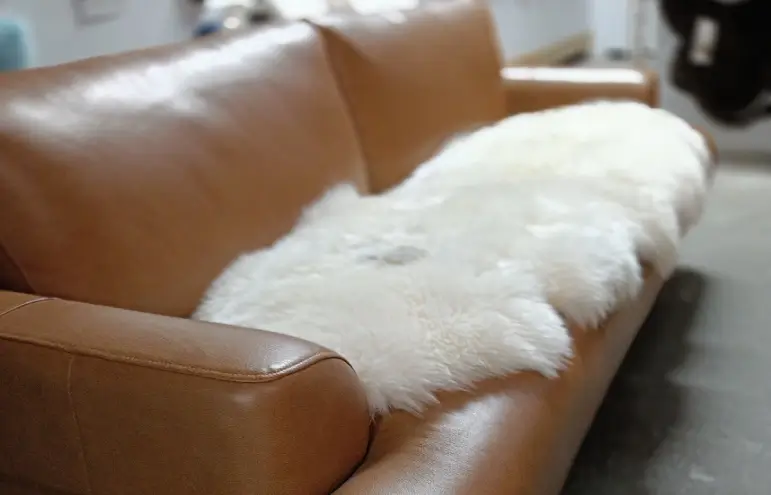
A finished sheepskin may look effortless on a showroom floor, but its quality is decided long before it reaches a retailer, interior project or production line. For trade buyers, choosing a wholesale sheepskin supplier NZ businesses can rely on means looking beyond a soft handle or an appealing photograph. Provenance, tanning knowledge, grading consistency and careful finishing all shape the product your customers will ultimately experience.
New Zealand sheepskin has a particular place in homes, hospitality settings and family life. It brings natural warmth, tactile comfort and distinctive character to a space, while offering a material story that synthetic alternatives cannot reproduce. The right supplier makes that story clear and supports it with dependable trade service.
What to expect from a wholesale sheepskin supplier NZ
A credible local supplier should be able to explain where its skins come from, how they are processed and what a buyer can expect from each grade. This is not simply a matter of preference. Natural materials vary, and honest communication around size, wool length, shape and colour is central to buying with confidence.
New Zealand-sourced sheepskins are valued for their dense wool, natural lustre and versatility. Once they arrive at the tannery, the skill lies in preserving those qualities while producing leather that is supple, durable and suitable for its intended use. A sheepskin destined for a nursery, for example, has different practical considerations from a pelt being specified for upholstery, footwear or a styled retail display.
Look for a supplier that understands both the material and the end application. They should be equipped to discuss finished rugs, natural and dyed skins, production pelts, medical ranges and tailored goods with equal clarity. A broad range can be useful, but it matters most when it is supported by genuine manufacturing expertise rather than a catalogue assembled from unrelated sources.
Provenance is part of the product
For customers who care about natural fibres and considered interiors, provenance is not a footnote. It is part of the appeal. Locally farmed New Zealand sheepskins carry a connection to place, and processing them locally provides greater visibility through the supply chain.
That visibility also gives trade buyers a more informed basis for product descriptions. Rather than relying on broad claims about luxury or sustainability, you can speak accurately about a natural material, its country of origin and the craft behind its finish. For retailers, designers and makers, that is a meaningful distinction in a market crowded with anonymous imports.
At Bowron, the Christchurch tannery heritage reaches back to 1879. This continuity matters because tanning and tailoring are learned disciplines. The knowledge required to prepare a skin, manage its character and finish it beautifully is built over years of close work with the material.
Grading, consistency and natural variation
No two sheepskins are identical. That individuality is one of their strengths, but it needs to be managed well in a wholesale order. A natural ivory pelt may differ slightly in tone, markings and outline from the next. Dyed skins can also show variation between production batches. These are normal qualities of a genuine natural product, not flaws to be concealed.
The supplier’s role is to grade and present skins thoughtfully, so buyers know what is appropriate for their purpose. If you are purchasing a single feature rug, an expressive shape or a little natural character may be exactly what gives it presence. If you are buying for repeated retail stock, a coordinated set or a production run, reliable size bands, wool types and colour matching become more important.
Before placing a substantial order, ask how skins are graded and whether the specifications suit your requirements. Size is usually measured from the longest points of the pelt, while the usable visual area may be affected by the natural outline. Wool density, length and curl can influence the final look as much as the stated dimensions.
It also pays to discuss colour honestly. Natural shades range from creamy ivory through to deeper tones, and hand-selected character can be desirable. In dyed lines, ask whether the colour is available as a continuing range or subject to seasonal batch availability. A supplier that sets realistic expectations protects both your margin and your customer experience.
Choose the right form for the job
The term sheepskin can cover a wide range of products. Knowing whether you need a finished rug, a production pelt or a tailored item will make your buying process far more efficient.
Finished sheepskin rugs are ready for retail or installation. They are often selected for bedrooms, living rooms, reading corners, boutique accommodation and nursery spaces, where softness and visual warmth are central. They need refined trimming, clean leather finishing and a presentation that feels complete from the moment it is unwrapped.
Production pelts are better suited to manufacturers, upholsterers and artisans who will cut, stitch or incorporate the material into another design. Here, the technical specification is paramount. Leather substance, wool type, pelt dimensions and consistency across a run may be more valuable than decorative finishing.
Tailored sheepskin products sit between these two needs. Cushions, seat covers, slippers, pet bedding and family products require precise cutting and stitching as well as a quality pelt. If your business is sourcing finished goods, consider whether the supplier controls this tailoring in-house. Direct oversight can make a substantial difference to fit, durability and finish.
Questions worth asking before you order
A good wholesale conversation should feel specific to your business, not like a transaction conducted from a generic price sheet. Before committing, make sure you have clear answers to the practical questions that affect your range and your customers:
- Are the sheepskins sourced from New Zealand farms and processed in New Zealand?
- Which grades, sizes, wool lengths and colours are currently available?
- Is the product supplied as a finished rug, a production pelt or a tailored item?
- What level of natural variation should be expected within the order?
- Can the supplier support repeat orders, colour continuity or larger project quantities?
These details help avoid a common trade mistake: buying on an image alone, then discovering that the product does not suit the application. A low price may be appealing initially, but it can prove costly if the skins arrive inconsistently graded, poorly finished or unable to be replenished.
Balance price with lasting value
Wholesale buying always involves commercial discipline, and sheepskin is no exception. Yet price should be considered alongside finish, provenance and expected longevity. A beautifully tanned, carefully selected sheepskin can retain its appeal for years when treated with care. Its natural texture tends to age with character, making it a material that earns its place rather than following a short-lived trend.
That does not mean the highest-priced option is automatically correct. A production workshop may need dependable, practical pelts in volume, while a design-led retailer may prioritise exceptional wool and distinctive colour. The right choice depends on your customer, your intended price point and how the product will be used.
Ask about care guidance as well. Customers should understand that sheepskin is a natural material and benefits from regular airing, gentle shaking and prompt attention to spills. Clear care information supports the product’s long life and reinforces the value of their purchase.
A supplier relationship built for the long term
The best trade relationships are not only about receiving stock on time. They give you access to people who understand the subtleties of the product and can help you select the appropriate grade, finish or colour for a changing collection. For interior designers, that may mean sourcing skins with a particular tone and texture. For retailers, it may mean building a coherent range across home, baby and pet categories. For manufacturers, it may mean dependable pelts suited to repeatable construction.
Natural sheepskin rewards a considered approach. Choose a supplier with a clear connection to its material, a practiced eye for finish and the confidence to be transparent about what makes every skin unique. That foundation gives you more than stock to sell – it gives your customers something they will want to live with, use often and keep for years.
 PlatinumStar
 Gold Star
 Country Living
 Arctic Fleece
 BabyCare
 PetCare