

Sheepskin Pelts Ready For Sale, Chosen with Care

Bowron Sheepskins
A sheepskin pelt is never merely a piece of fleece. Its character is felt in the hand: the density of the wool, the suppleness of the leather, the depth of its natural colour and the way it settles into a room or finished design. When considering **sheepskin pelts for sale**, those details are what separate a beautiful, long-lasting natural material from one that will not meet the demands of its intended use.
For homes, retail ranges and specialist production alike, a well-prepared New Zealand sheepskin brings warmth, texture and honest material quality. The right choice begins with understanding what the pelt will become.






Christchurch Tannery / Factory Shop
2-12 Long Street, Woolston 8023
Factory Shop - Open to Public
Monday - Saturday 10:0am - 4:00pm
Call: 03 3842689
Whatsapp: 0204759000

What defines a quality sheepskin pelt?
A quality pelt starts long before the final finish. It relies on carefully sourced skins, knowledgeable tanning and considered handling at every stage. The tanning process preserves the leather while maintaining the natural qualities that make sheepskin so valued: soft wool, flexible backing and a tactile surface with genuine variation from one pelt to the next.
New Zealand sheepskin is prized for its fine, resilient wool and naturally inviting feel. No two skins are identical, and that individuality is part of the appeal. A natural pelt may show gentle shifts in tone, wool length or shape. Rather than faults, these are signs of a material shaped by nature and finished with care.
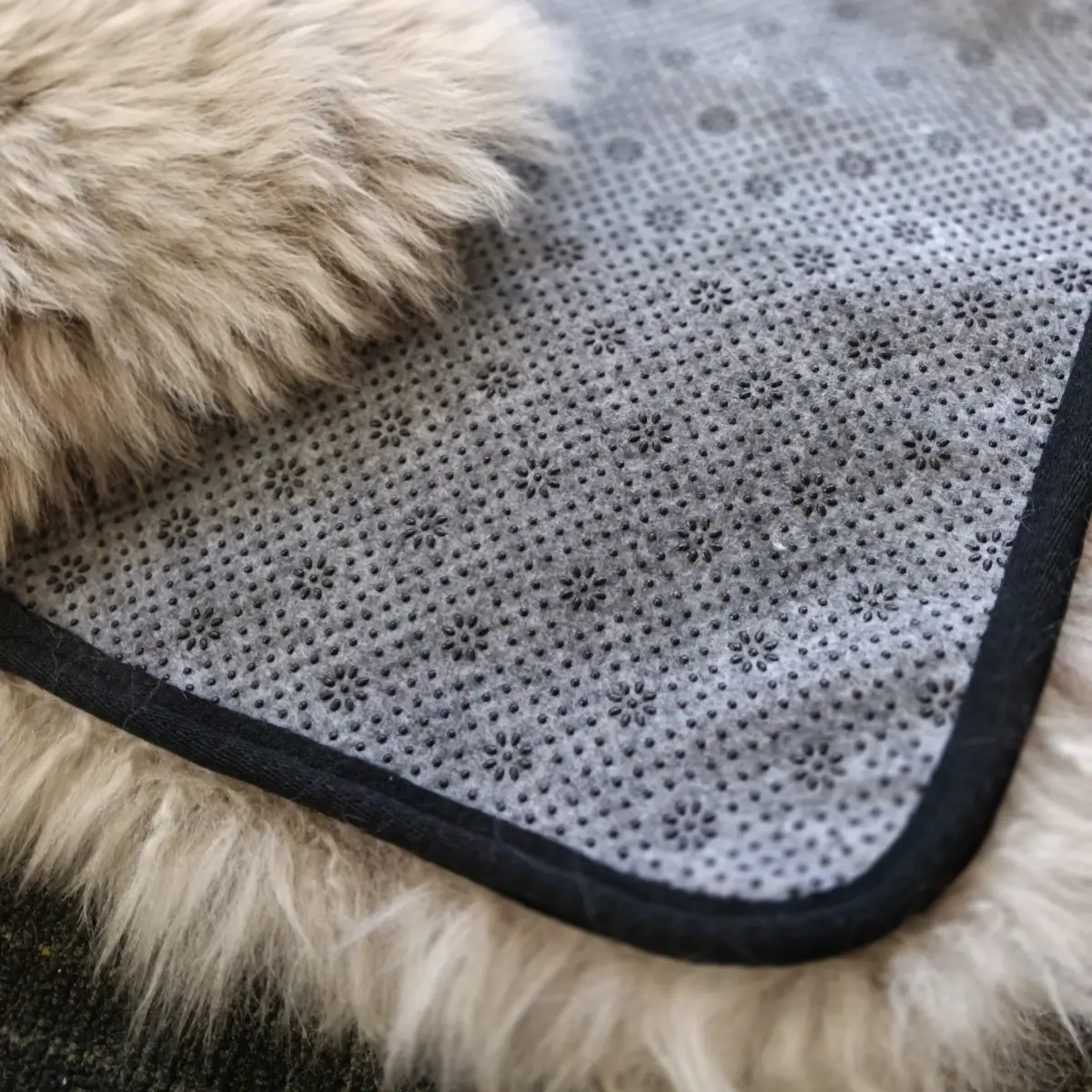
The leather side matters just as much as the fleece. It should feel supple rather than stiff, with a finish appropriate to the application. A pelt intended for a decorative rug, for example, may be selected differently from one needed for upholstery, footwear, craft or a commercial production run. There is no single “best” grade in isolation – there is the grade that is right for the job.
Choosing sheepskin pelts for sale by purpose
Before selecting a colour, size or wool type, decide what performance you need. This keeps the purchase grounded in practical requirements as well as visual appeal.
For interiors and decorative use
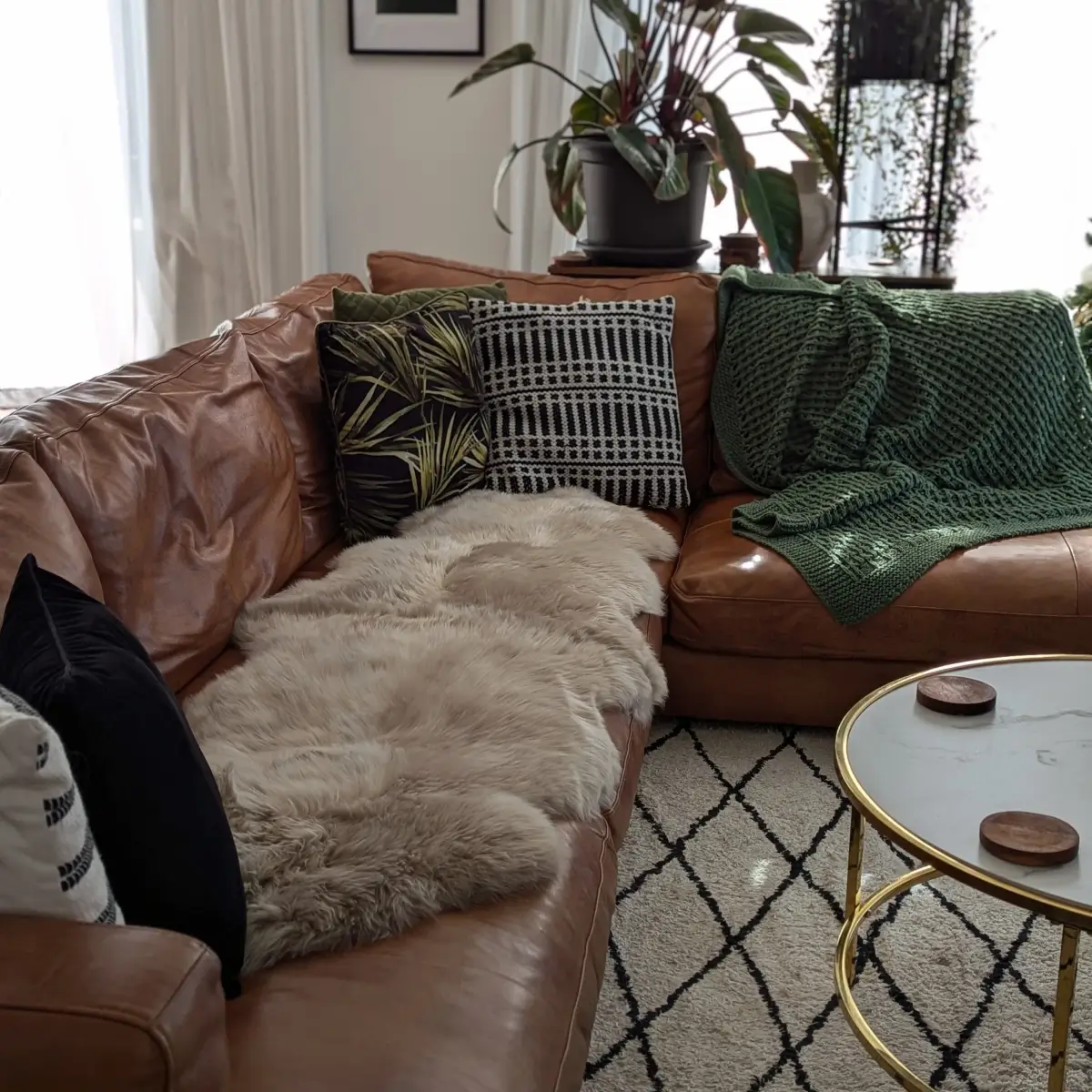
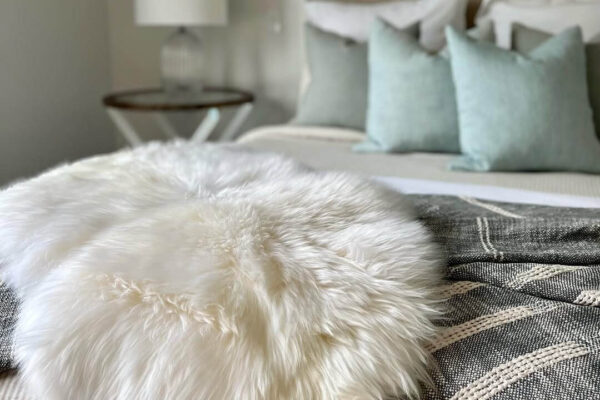
A single sheepskin can soften a timber floor beside the bed, give a reading chair greater comfort or add a layer of texture to a sofa. In these settings, look closely at the overall shape, wool presentation and tone. Long wool creates a more expressive, relaxed look, while a shorter, denser finish can feel neater and more tailored.
Natural shades work beautifully with timber, stone, linen and wool furnishings because they carry warmth without competing for attention. Dyed pelts offer a different possibility: a considered accent colour, a tonal contrast or a distinctive finishing layer in a more contemporary space. Neither is inherently more versatile. It depends on whether the room calls for quiet natural texture or a confident colour statement.
For larger areas, matched pelts can be joined and skilfully tailored into rugs or throws. This requires attention to consistency across the group. A set need not be identical to look refined, but related wool length, density and colour help create a cohesive result.
For makers and artisan work
Sheepskin remains a rewarding material for craftspeople because it offers two usable surfaces in one natural hide: wool on one side and leather on the other. It can be incorporated into cushions, seating, fashion accessories, pet bedding, trims and creative one-off pieces.
Makers should consider the cut shape and usable area rather than relying on an overall size alone. A pelt with an appealing outline may suit a small rug or chair cover, while a project involving repeated components calls for greater consistency and efficient cutting. Discussing the intended pattern or end product before buying can prevent waste and help identify the most suitable grade.
Wool length is also a design decision. Longer wool has movement and a generous hand feel, but it may require more allowance in a pattern and more consideration where a close, crisp edge is needed. Shorter wool can be easier to work into structured pieces. The beauty lies in selecting the finish that supports the design rather than forcing the material to behave like a synthetic substitute.
For wholesale and production requirements
Retailers, designers and manufacturers generally need more than an attractive individual pelt. They need reliable grading, clear specifications and continuity across an order. When sourcing production pelts, establish the key requirements early: the intended application, volume, preferred wool type, colour, dimensions, leather finish and acceptable natural variation.
Consistency has practical limits with any natural material. Every sheepskin retains its own character, so wholesale supply is best approached with a shared understanding of tolerances rather than an expectation of machine-made uniformity. A knowledgeable tannery can help align the grade to the finished product, whether the priority is appearance, yield, wool density, softness or a combination of these factors.
For trade customers, this direct conversation is often as valuable as the pelt itself. It supports better sampling, fewer surprises during production and a result that honours the material.
Natural, dyed and speciality finishes
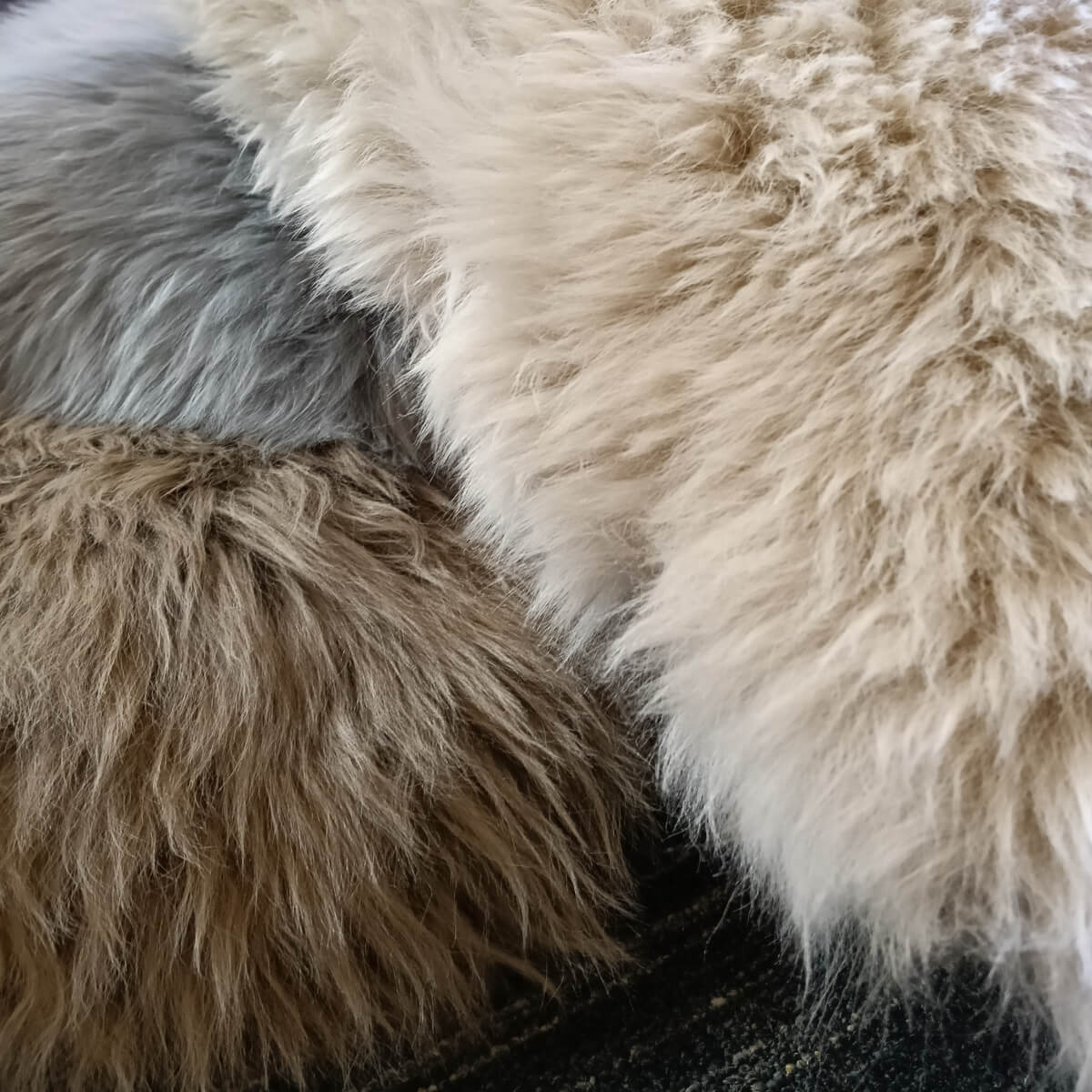
The finish sets the visual language of a sheepskin. Natural ivory, honey, brown and grey tones feel grounded and enduring, while carefully dyed colours can shift a pelt towards playful, modern or richly decorative. For a child’s room, a coloured pelt may bring warmth without the hard edges of conventional floor coverings. In a pared-back living space, an undyed fleece can provide the same comfort with a quieter presence.
Consider where the pelt will be used before choosing a pale shade. Light wool is timeless and luminous, but high-traffic areas, busy family rooms and pet spaces may be better suited to a deeper natural tone or a more forgiving colour. This is not a reason to avoid light sheepskin – it is simply a matter of matching beauty to daily life.
Speciality applications can require more specific processing. Medical sheepskins, baby-care products and certain commercial uses have performance considerations beyond appearance. In these cases, seek pelts prepared for that purpose rather than adapting a standard decorative skin. The right tanning and finish support comfort, care requirements and intended use from the outset.
How to assess a pelt before purchase
Photographs provide a useful first impression, particularly for colour and style, yet sheepskin is best understood through clear product information and, where possible, touch. Ask about the wool length, approximate dimensions, origin, tanning approach and whether the product is a single pelt, a matched set or a production grade.
Examine the fleece for evenness appropriate to its style. Some variation is expected, especially in natural products, but the wool should feel clean, full and securely held. Check that the leather is soft enough for its purpose and that any stitching in a finished article is neat, strong and thoughtfully placed.
It is also worth considering how the item will be cared for. A pelt used as a decorative layer will have different needs from one placed underfoot every day. Gentle airing, light shaking and prompt attention to spills help preserve the wool’s appearance. Follow the care guidance supplied for the particular finish, as tanning and dyeing methods can affect what is suitable.
Provenance is part of the finished piece
Knowing where a sheepskin has been processed adds meaning as well as confidence. Local manufacture keeps expertise close to the material, allowing the people responsible for tanning and finishing to understand how each pelt will be used. It also brings a valuable level of traceability for customers who prefer natural fibres with a clear story.
At Bowron’s Christchurch tannery, locally farmed New Zealand sheepskins are transformed through longstanding tanning knowledge and careful finishing. That heritage matters because sheepskin work is not a shortcut process. It depends on judgement – selecting, tanning, grading and tailoring each skin with respect for its natural qualities.
A well-chosen pelt should not feel like a seasonal purchase. It should earn its place over time, becoming softer in character as it becomes part of the home, collection or product it was chosen to create. Choose the grade and finish with the final use in mind, then allow the natural beauty of New Zealand sheepskin to do what it does best: bring warmth, comfort and enduring texture to everyday life.
 PlatinumStar
 PetCare