

How to Choose the Best Sheepskin for Dogs

World famous like our sheepskin!
A dog who ignores the expensive bed but claims the warm patch of sun on the floor is making a clear point: comfort is about feel, not fuss. The best sheepskin for dogs offers a naturally soft resting surface with enough substance to support everyday naps, while bringing the quiet beauty of a natural material into the home.
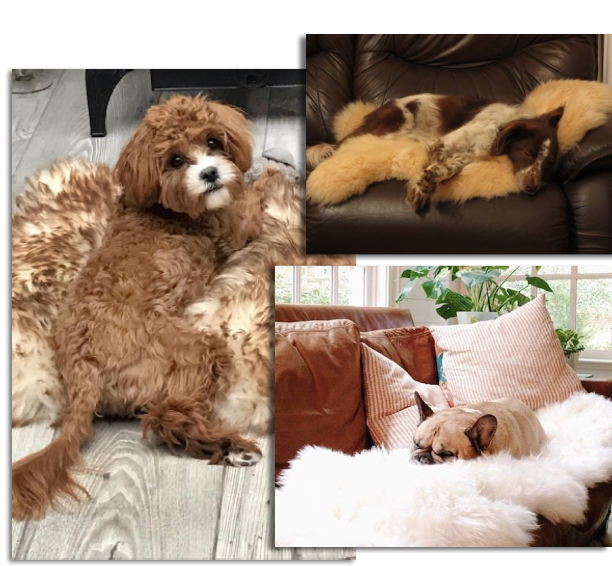
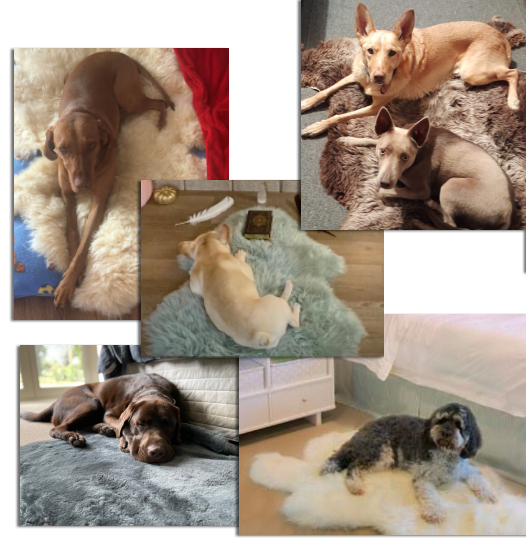
Share lifes favorite rug with your bestie!
A genuine sheepskin can be a beautiful choice for a dog’s favourite corner, crate or beside-the-bed spot. Yet not every sheepskin suits every dog. Coat length, pelt size, tanning quality, your dog’s habits and the place it will live all affect whether it becomes a much-loved bed or a rug that is better kept out of reach.
.
What Makes the Best Sheepskin for Dogs?
The defining quality of a good dog sheepskin is dense, resilient wool. When a dog settles down, the wool fibres should cushion their body rather than immediately flattening to the hide. High-quality sheepskin has a springy, generous feel, created by naturally crimped wool fibres that hold air between them. This is part of what makes it so inviting in cooler months. A perfect alternative for dogs with itchy skin.
The wool should also be clean, evenly finished and securely held in the pelt. A little loose fibre can occur with natural products, particularly when a new sheepskin is shaken out, but excessive shedding is not a sign of quality. Run your fingers through the fleece and inspect the hide side. It should feel supple rather than brittle, with careful finishing around the edges.
For dogs, the most practical choice is often a natural, undyed sheepskin in a shade that suits the home and is forgiving of everyday use. Natural ivory, honey and soft stone tones have an enduring appeal, although a darker or more mottled pelt may be sensible for a dog that returns from the garden with muddy paws. The right choice does not need to look overly precious. It should be a piece you are comfortable using as part of family life.
Choose wool length for your dog’s habits
Long wool sheepskin feels especially luxurious. Its flowing fleece creates a richly textured place for a dog to curl into, and it can make a simple basket, bench or floor nook feel more considered. It is particularly lovely for calm dogs that enjoy resting indoors and are not prone to chewing.
Shorter, shorn wool is often easier to live with for a busy household. There is less length for burrs, leaves and loose dirt to settle into, and the surface can be simpler to brush between more thorough cleans. For older dogs, both long and shorn wool can be comfortable, but a dense, supportive fleece matters more than dramatic pile length.
A thick fleece is not automatically the best answer in every season. Wool can help manage moisture and feels insulating in cool rooms, but a sheepskin should not replace access to shade, fresh water or a cooler surface in warm weather. Watch how your dog uses it. If they choose it for short naps then move to tiles, that is simply their way of regulating comfort.
Size Matters More Than Most Owners Expect
A sheepskin should give your dog room to lie in their usual sleeping position. A curled-up terrier may be perfectly content on a compact pelt, while a Labrador who sleeps on their side needs enough length for their shoulders and hips to rest on the wool rather than the hard floor.
Before choosing, measure your dog from nose to base of tail while they are lying down, then allow extra room around their body. Also consider where the sheepskin will sit. A pelt placed inside a crate should lie flat without folding against the sides. For a favourite lounge corner, a larger sheepskin gives your dog the freedom to change position and protects more of the floor beneath.
Natural sheepskins are individual, not factory-identical rectangles. Their organic outline is part of their character, so use approximate dimensions as a guide and select with your dog’s preferred sleeping style in mind. A larger pelt can also be folded over in a roomy bed, creating a deeper nest, provided your dog is not inclined to pull or chew at the edges.
Consider the floor underneath
Sheepskin adds softness, but it cannot entirely compensate for a cold concrete floor or a draughty doorway. Place it in a dry, sheltered area where your dog already likes to settle. An older dog with stiff joints may appreciate the cushioning, but they may also need a more structured orthopaedic bed beneath or alongside it. In that case, sheepskin works beautifully as the tactile top layer rather than the whole solution.
On polished timber, tile or laminate, check that the pelt stays where it is placed. If it shifts when your dog steps on it, move it to a more secure location or use it within a bed with raised sides. Safe footing is especially worthwhile for puppies, senior dogs and energetic dogs who launch themselves out of bed at speed.
Tanning Quality Is a Question of Comfort and Care
Sheepskin is both wool and hide, and the tanning process determines how well those two natural elements endure use. A professionally tanned pelt is supple, comfortable and made to retain its beauty with proper care. Poorly processed hides can become hard, dry or unpleasantly scented, particularly after exposure to moisture.
Look for clear provenance and makers who understand the material from pelt selection through to finishing. New Zealand sheepskin is valued for its softness and full fleece, and locally made pieces offer a direct connection to the craftsmanship behind them. At Bowron’s Christchurch tannery, sheepskins are carefully processed and tailored with a manufacturing heritage reaching back to 1879.
That provenance is more than a label. It gives buyers confidence that the product has been made by specialists who understand wool, hide and finishing standards. For a dog bed, this is especially valuable because the sheepskin will be used often rather than simply displayed.
Safety Comes Before Softness
A sheepskin is best for dogs that can rest calmly with soft furnishings. If your dog tears up blankets, chews cushions or swallows fibres, do not leave them unsupervised with a sheepskin. Natural wool is not a substitute for chew-safe enrichment, and even a beautifully made pelt can be damaged by persistent digging or mouthing.
Puppies can enjoy sheepskin under supervision, but their needs change quickly. Begin with short periods and remove it if they start pulling at the fleece or hide. Likewise, a dog recovering from surgery, living with skin sensitivities or experiencing incontinence may need bedding chosen in consultation with a veterinarian. A washable veterinary-grade option or purpose-made recovery bedding may be more suitable during that period.
Keep the sheepskin away from open fires, heaters and damp outdoor areas. It is intended for dry indoor comfort, not as a kennel mat exposed to rain and mud. If your dog comes inside wet, let their coat dry before they settle onto the fleece.
Caring for a Dog Sheepskin Without Losing Its Character
Regular light care keeps a sheepskin looking and feeling inviting. Shake it outdoors to release loose hair and dust, then air it in a sheltered spot away from harsh direct sunlight. A gentle brush can lift the wool pile, particularly on longer fleece, but avoid aggressive brushing that pulls at the fibres.
For small marks, attend to them promptly with a clean, damp cloth and a small amount of wool-safe cleaner if recommended by the maker. Avoid household detergents, bleach, hot water and strong fragrances. These can affect both the wool and the leather backing.
Washing requirements vary according to the tanning method and the particular product, so always follow the care instructions supplied with the sheepskin. Some pieces may be suitable for careful hand washing or a specialist wool cycle, while others are best professionally cleaned. Drying deserves patience: reshape the pelt while damp, allow it to dry naturally away from direct heat, and gently flex the hide as it dries to help maintain softness.
Expect a well-used dog sheepskin to develop a little character. A change in pile direction, a softened look and the occasional need for brushing are normal signs of a natural piece being enjoyed. Thoughtful care is not about preserving a showroom finish forever. It is about extending the life of a material made to be lived with.
Choose the sheepskin that suits your dog’s size, temperament and daily routine, then place it where they already feel at ease. The finest measure of success is wonderfully simple: a contented dog who returns to it, day after day.
 PlatinumStar
 Gold Star
 Country Living
 Arctic Fleece
 BabyCare
 PetCare